The thermoforming application for engineering is more efficient than injection moulding technology because product development is faster and the tooling costs are lower.
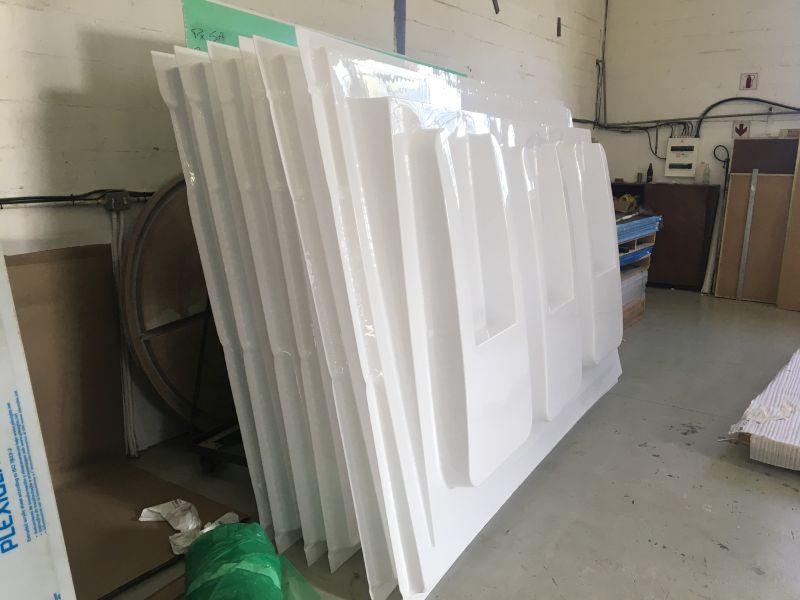
Because thermoforming is essentially the process of heating sheets of plastic until the material is pliable and then moulding and trimming it into a variety of items – it is perfect not only for lighter items like packaging and point of sale, but also heavier items like fridge linings, shower cubicles, yacht and motor home interiors, ATM structures, movie set structures and permanent structural components.
Thermoforming can either use thin plastic sheets less than 1.5 mm (thin-gauge thermoforming) or plastic sheets more than 3 mm thick (thick-gauge thermoforming) and medium-gauge thermoforming for thicknesses between the two. Thick-gauge thermoforming is useful in the manufacture of components for heavy industry usage
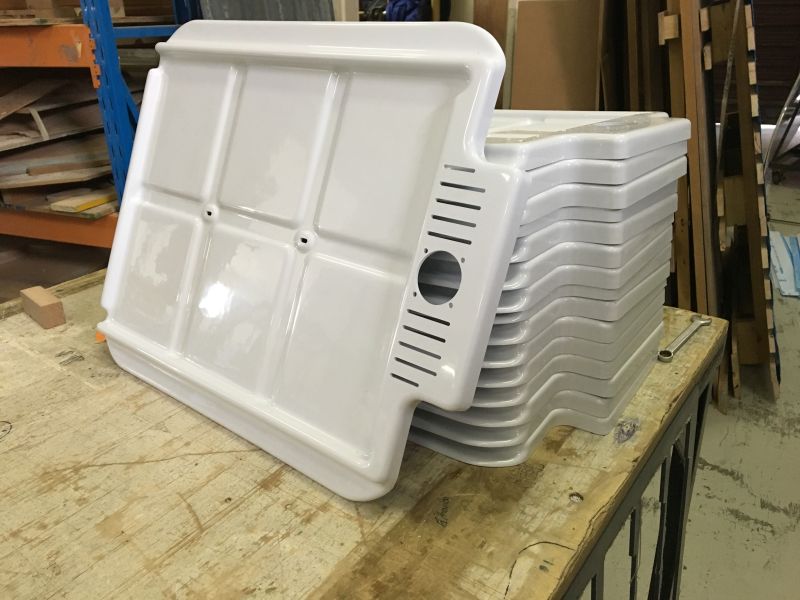
Thermoforming has many very useful engineering applications. Examples of this are:
- Battery covers
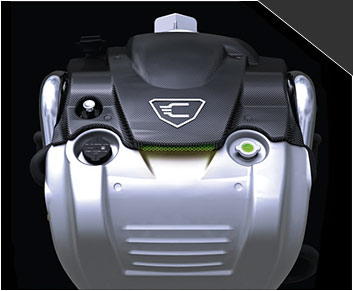
- Engine covers
- Electronic equipment components (such as TV backings) and fridge linings
- Motor home interiors
- Shower cubicles
- ATM structures
- Boat interiors and RIB (rigid inflatable boat) structures.
- Machinery components